
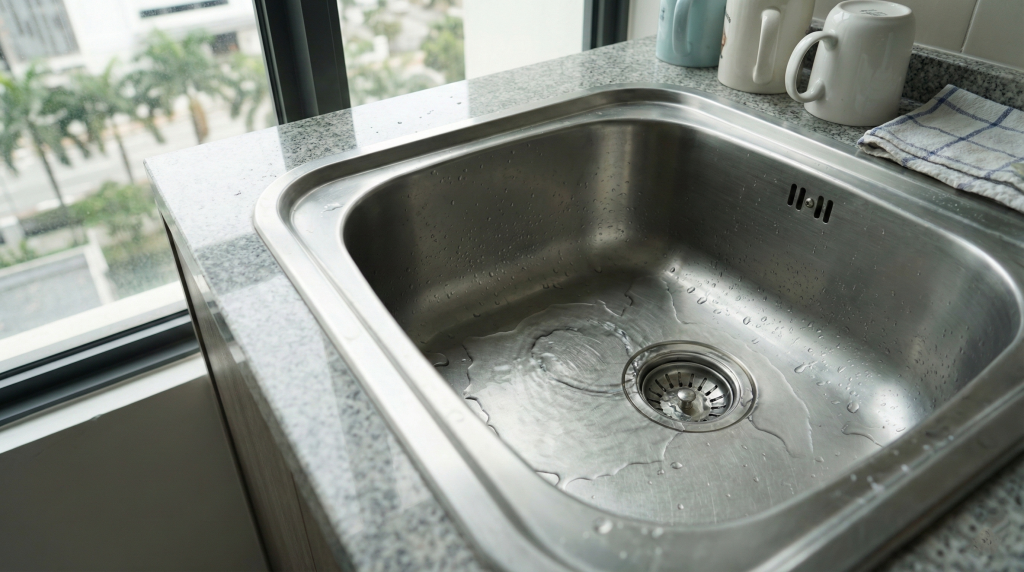
How to Unclog a Sink Drain in Kuala Lumpur Condos (Safe DIY Steps + When to Call a Plumber)
A slow, smelly, or clogged sink is one of the most common condo problems in Kuala Lumpur—especially in kitchens where grease builds up, and bathrooms where hair and soap scum collect. The good news: many sink clogs can be cleared safely with simple tools and a bit of patience.
This practical guide covers safe DIY drain unclogging methods that work well for KL condo owners:
- Hot water + mild soap
- Using a plunger properly
- Cleaning the trap (U-bend/P-trap)
- Drain snake basics (manual auger)
You’ll also learn why harsh chemical drain cleaners can damage pipes, warning signs of a bigger blockage, and when it’s smarter (and cheaper long-term) to call a plumber in Kuala Lumpur.
First: What type of clog do you likely have?
Most sink drain clogs fall into two categories:
1) Surface or near-sink clogs (easier)
Common causes:
- Hair, soap scum
- Food scraps
- Grease buildup near the drain opening or trap
Usually affects one sink only and improves a bit after plunging or hot water.
2) Deeper line blockages (more serious)
Common causes:
- Heavy grease buildup further down the pipe
- Shared condo plumbing line restrictions
- “Multiple drains slow” issue (kitchen + floor trap + bathroom)
These tend to return quickly or affect more than one area.
Safety checklist before you start (condo-friendly)
Before any DIY work, do these quick steps:
- Remove valuables from under the sink (in case of spill).
- Put a bucket + towel under the trap area.
- If you’re working under the sink near appliances, keep the area dry.
- Avoid over-tightening pipes—many condo sinks use plastic fittings that crack easily.
Step 1: Hot Water + Mild Soap (Best first move for grease clogs)
This is the simplest and safest method—especially for kitchen sinks.
What you need
- Hot tap water (not boiling)
- Mild dish soap
- A cup or jug
How to do it
- Remove standing water until the sink is mostly empty.
- Add a generous squeeze of mild dish soap into the drain.
- Run hot tap water steadily for 30–60 seconds.
- Pause, then repeat 2–3 cycles.
Why it works
Soap helps break down grease. Hot water softens it and flushes it along. This method is gentle on pipes and often enough for early-stage slow drains.
✅ Best for: Kitchen sinks, mild slow drain
❌ Not great for: Hair clogs (bathroom sinks) or heavy blockages
Step 2: Use a Plunger (Yes, it works on sinks too)
A plunger isn’t just for toilets. Used correctly, it’s one of the fastest ways to clear a clog without chemicals.
What you need
- A cup-style plunger (sink plunger)
- A wet cloth (to seal overflow opening if your sink has one)
How to plunge a sink properly
- If there’s an overflow hole near the top of the sink, plug it with a wet cloth.
- Add enough water to cover the plunger cup (this helps create suction).
- Place the plunger over the drain and press down to seal.
- Plunge firmly 10–15 times, keeping the seal intact.
- Lift the plunger to test drainage. Repeat 2–3 rounds if needed.
Common mistakes
- Plunging with no water in the sink (no seal, no pressure)
- Forgetting to cover the overflow opening
- Gentle “pumping” instead of firm pressure
✅ Best for: Medium clogs
❌ Stop if: You hear gurgling in multiple drains or water backs up elsewhere
Step 3: Clean the Trap (U-bend/P-trap) Safely
If hot water and plunging don’t solve it, the clog may be stuck in the trap (the curved pipe under the sink). Hair, food debris, and grease love to settle there.
What you need
- Bucket
- Gloves
- Old toothbrush or small brush
- Adjustable wrench (optional; many traps are hand-tight)
How to clean the trap
- Put a bucket under the trap.
- Loosen the slip nuts at both ends of the trap (usually hand-loosen).
- Carefully remove the trap and let water/debris drain into the bucket.
- Clean it out with a brush and rinse.
- Reinstall the trap and tighten snugly (do not over-tighten).
- Run water and check for leaks for 1–2 minutes.
When to stop
- If fittings feel stuck and you might crack them
- If you see old brittle pipes or corrosion
- If you reassemble and still have a persistent leak
✅ Best for: Bathroom hair clogs and kitchen debris
⚠️ Tip: If you’re unsure, take a quick photo before removing parts so you can reassemble correctly.
Step 4: Drain Snake Basics (Manual Auger for Deeper Clogs)
A drain snake (manual auger) helps reach clogs beyond the trap.
What you need
- A basic hand-crank drain snake (3–5 meters is usually enough for condo sinks)
- Gloves
- Bucket and towel
How to use a drain snake (simple method)
- Remove the drain strainer if possible.
- Feed the snake into the drain slowly.
- When you feel resistance, rotate the handle gently to “bite” into the clog.
- Push a little, rotate, then pull back slightly.
- Pull the snake out carefully and wipe off debris.
- Flush with hot water + mild soap afterward.
Don’t do this
- Don’t force it aggressively (you can damage fittings)
- Don’t use a power drill unless you know what you’re doing
- Don’t snake if you suspect the blockage is in a shared main line (it may not help)
✅ Best for: Stubborn clogs beyond the trap
❌ Stop if: You can’t get past a bend, or the clog returns immediately after clearing
Why harsh drain chemicals can damage pipes (especially in condos)
It’s tempting to pour in a strong chemical drain cleaner, wait 10 minutes, and hope for the best. But in many KL condos, that shortcut can backfire.
Here’s what can go wrong:
- Heat reaction: Many chemical cleaners create heat. In older or thinner plastic pipes, heat can warp or weaken joints.
- Pipe corrosion: Strong chemicals can accelerate corrosion in metal components and fittings.
- Damaged seals: Rubber seals and gaskets may degrade, causing leaks under the sink later.
- Partial clogs become worse: If the chemical doesn’t fully clear the clog, you now have a blocked pipe filled with harsh liquid—dangerous for anyone who has to open the trap afterward.
- Environmental and safety risk: Splashing can burn skin/eyes and harm indoor air quality.
In short: chemicals may seem fast, but they often lead to pipe damage, leaks, and more expensive repairs.
Warning signs of a bigger blockage (call a plumber)
DIY works best for simple, local clogs. But these signs suggest a deeper issue:
Bigger blockage indicators
- More than one drain is slow (sink + floor trap + bathroom)
- Water backs up into another drain when you run the tap
- Gurgling sounds from nearby drains
- Bad smell that returns quickly
- The clog clears temporarily, then comes back within 24–48 hours
- You suspect grease buildup deep in the line (common in kitchen stacks)
In condos, deeper blockages may be linked to shared piping, which often needs proper tools and technique to clear safely.
Quick prevention tips (so it doesn’t happen again)
- Use a sink strainer to catch food scraps/hair
- Avoid pouring grease/oil down the kitchen sink (wipe pans first)
- Flush weekly with hot water + mild soap
- For bathroom sinks: remove hair from the strainer regularly
Need plumbing help in Kuala Lumpur?
If your sink is still clogged after plunging + trap cleaning, or if you’re seeing warning signs of a bigger blockage, it’s time to call a plumber in Kuala Lumpur.
WhatsApp us:
✅ A photo/video of the sink + under-sink pipes
✅ Your KL area + condo level
✅ Parking info + urgency (today/this week)
We’ll reply with a quick estimate and the soonest available time—with transparent pricing and no surprise charges.